
OUR PROJECTS
Governance Advocacy
As an active member of the Central Africa-Bushmeat Research Into Practice (CA-BRIP) working group, focused on improving bushmeat governance in Central Africa, CASE engages in a range of advocacy efforts aimed at promoting sustainable wildlife management and food security while supporting local livelihoods. Our activities include:
- Policy Engagement: We collaborate with national and regional policymakers to advocate for evidence-based policies that address illegal and unsustainable bushmeat trade while ensuring community needs are considered.
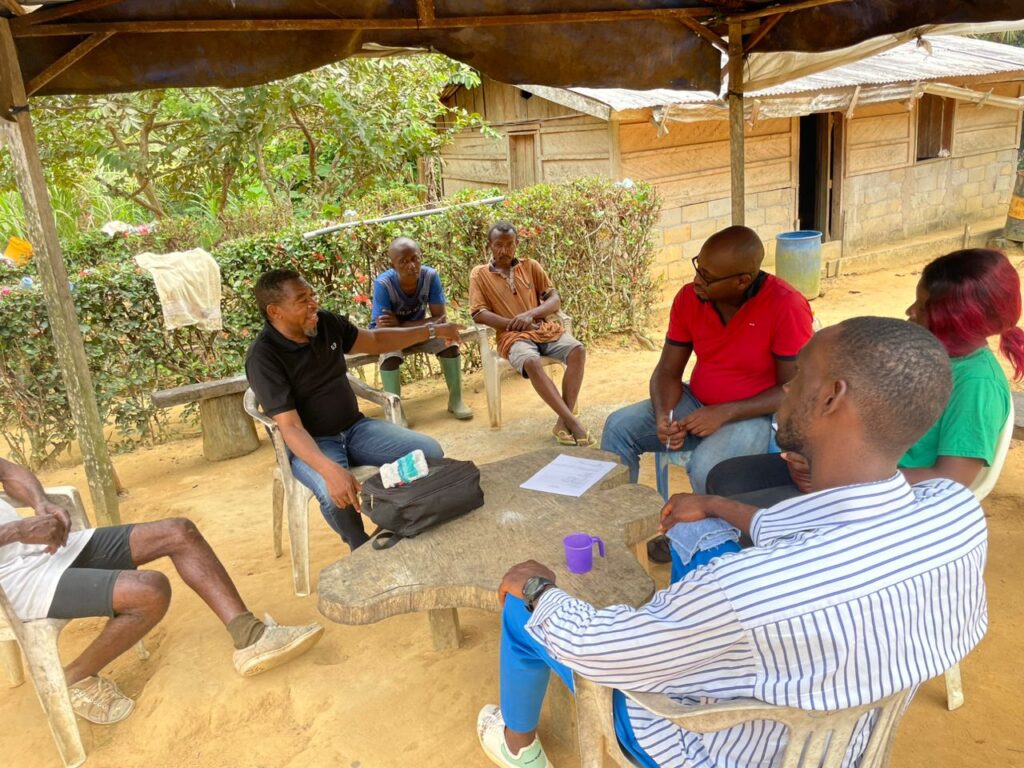
- Stakeholder Dialogues: We facilitate multi-stakeholder forums that bring together government agencies, local communities, researchers, and civil society to discuss challenges and develop coordinated approaches to bushmeat governance.
- Awareness Campaigns: We conduct targeted campaigns to raise public awareness about the ecological, health, and legal implications of unsustainable bushmeat practices.
- Capacity Building: We support training programs for law enforcement, local NGOs, and community leaders to strengthen compliance with conservation laws and promote alternative livelihoods.
- Research and Data Sharing: We contribute to and disseminate research on bushmeat consumption trends, trade dynamics, and the impact of governance interventions, helping to inform regional strategies.
Through these activities, we aim to support the development of inclusive and sustainable bushmeat governance frameworks across Central Africa.
Operation Pangolin
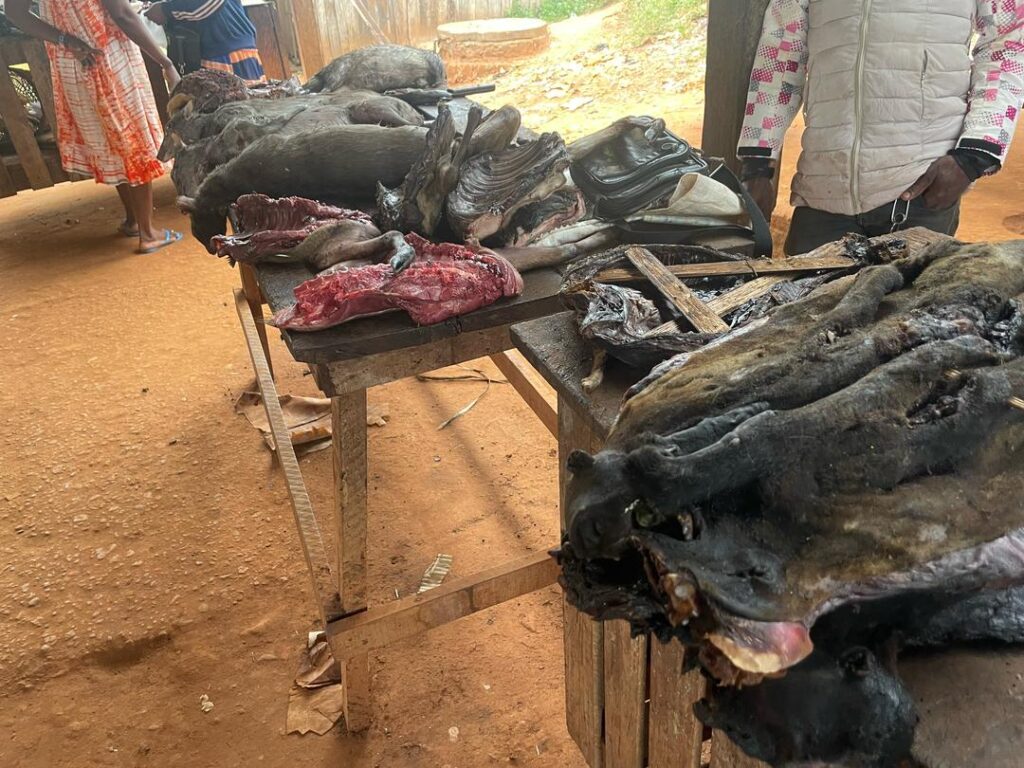
Operation Pangolin is a regional initiative aimed at improving the sustainable management of wildlife, with a special focus on pangolin species in Cameroon and Gabon. It supports national and regional efforts to ensure that pangolins and other threatened species are protected through inclusive and sustainable frameworks. In this project, CASE aims to enhance the sustainable management and conservation of wildlife species by adopting a holistic socio-ecological systems approach.
In the project, CASE conduct research to map and analyze the socio-ecological system around key Protected Areas. This includes identifying human-wildlife interactions, and understanding the socio-economic drivers of pangolin exploitation. Stakeholder engagement, including local communities, traditional leaders, government agencies, and conservation NGOs, will be central to this process.
Building on this understanding, the project will co-design and pilot locally appropriate interventions that align conservation goals with community needs.